Eclipse Price

Eclipse
EclipseES

Buy Eclipse

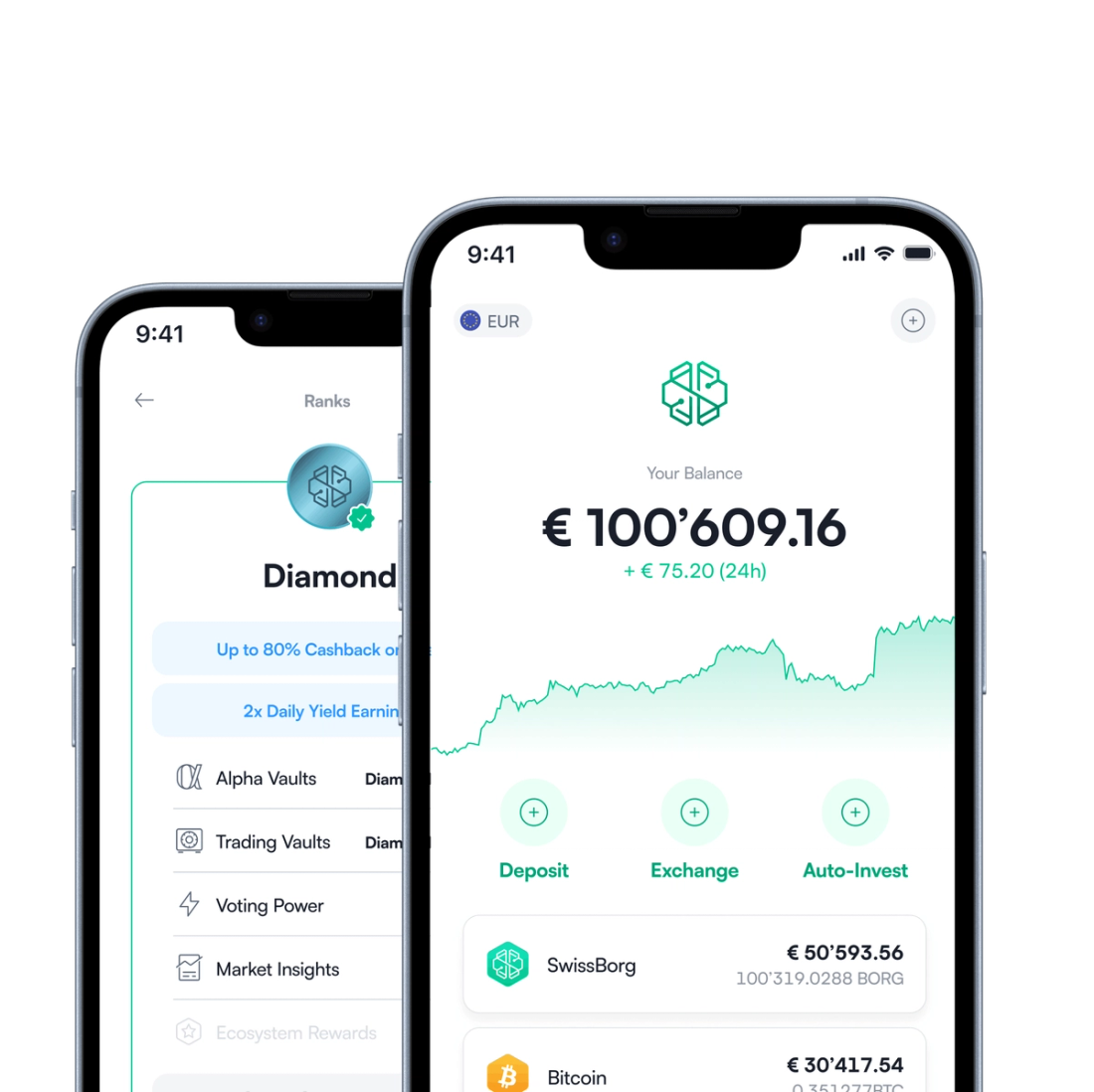
Trade directly from the SwissBorg Web App.

Amount
Buy
Trade

Top up and invest in seconds!

Get started
a blue credit card with the numbers 0000 0000 0000 0000

Market Stats

Name
Price
Price change(24h)
Market cap
Circulating Supply
ES

ES

Eclipse

N/A

N/A

N/A

N/A

ES

ES

Eclipse

  • Price

    N/A

    Price change(24h)

    N/A

    Market cap
    N/A
    Circulating Supply
    N/A Eclipse

What is Eclipse (ES)?

Eclipse is an Ethereum Layer 2 (L2) blockchain built using the Solana Virtual Machine (SVM). It combines the high performance and speed of Solana with the user base and liquidity of Ethereum. Eclipse offers fast transaction processing speeds with a peak TPS of nearly 9,000 and supports over 1 million active wallets. It aims to deliver an optimal blockchain experience by marrying Solana's efficiency with Ethereum's robust ecosystem.

What sets Eclipse apart is its unique position as the first SVM-based Layer 2 on Ethereum, effectively delivering Solana's speed and performance on the Ethereum network. It leverages Solana's battle-tested execution environment while tapping into Ethereum’s vast liquidity — including $80 billion in stablecoins and $66 billion in TVL — making it Ethereum's fastest Layer 2 powered by SVM. Additionally, Eclipse is developing the Giga Scale Virtual Machine (GSVM), a next-generation blockchain client designed with cross-layer optimizations and hardware-software co-design for giga-compute capabilities, aiming for long-term scalability and high throughput.

The utility of the Eclipse $ES token includes acting as the native gas token for the Eclipse chain through its unique paymaster mechanism. This means users pay transaction fees with $ES. Moreover, $ES enables decentralized governance, allowing holders to participate in key decisions impacting the protocol's future, like protocol upgrades and MEV fee distribution policies. This governance role enhances community involvement and protocol evolution within the Eclipse ecosystem.

The documents do not provide specific details about the Eclipse (ES) whitepaper or its promises.

Eclipse operates as an Ethereum Layer 2 solution powered by the Solana Virtual Machine (SVM), combining Solana's high-performance execution environment with Ethereum's liquidity. It functions as a Solana Virtual Machine Layer 2 on Ethereum but the specific consensus mechanism details are not explicitly provided in the documents. However, it leverages Solana's battle-tested execution environment, which in Solana's ecosystem is known to use a Proof of History (PoH) combined with Proof of Stake (PoS) consensus concepts. Ethereum and SVM details explain this hybrid approach.

The documents do not provide explicit information on the individual founders or creators of the Eclipse cryptocurrency. However, Eclipse is positioned and developed as a project that combines the performance strengths of Solana with Ethereum's liquidity and user base, aiming to innovate blockchain scalability and user experience. The ecosystem mentions leadership roles such as Ben Livshits joining as CTO, indicating a strong team behind the project but no single creator or founding entity is detailed. For insights, refer to Eclipse's announcements.

The $ES token was introduced on 16 July 2025 as announced on the Eclipse platform. This date marks the official creation and unveiling of the Eclipse token to the public, supporting the functionality and governance of the Eclipse network. This timing is confirmed by multiple announcements on the official Eclipse site starting mid-2025.

The $ES token is the native cryptocurrency of the Eclipse network, serving multiple essential functions. Primarily, $ES acts as a gas token for the Eclipse chain through Eclipse's native paymaster mechanism, enabling users to pay for transaction fees efficiently. Additionally, holding $ES tokens grants decentralized governance capabilities, allowing users to participate in decision-making processes related to the future of the Eclipse protocol including protocol upgrades and MEV redistribution fee rates. Users can utilize $ES tokens within the Eclipse ecosystem, which features over 60 decentralized applications (dApps) and service providers from day one, benefiting from Solana’s speed combined with Ethereum’s liquidity. More details can be found at the Eclipse official site.

You can buy the cryptocurrency Eclipse (ES) token on exchanges that support it, such as decentralized platforms integrated with the Eclipse ecosystem. Eclipse is an Ethereum Layer 2 solution powered by the Solana Virtual Machine (SVM), so you may find it on major decentralized exchanges compatible with Ethereum Layer 2 tokens and through bridging assets from Ethereum or Solana ecosystems into Eclipse.

Eclipse addresses the scalability and user experience challenges present on Ethereum by combining the high performance and speed of Solana with Ethereum's vast liquidity and user base. It is an SVM Layer 2 on Ethereum that provides a fast, efficient execution environment. Eclipse aims to deliver Solana's speed with Ethereum's liquidity and assets, enabling decentralized finance, gaming, and consumer applications with low transaction fees and high throughput.

The available information does not explicitly state whether Eclipse's code is open-source or publicly reviewable. However, Eclipse provides developer documentation and resources on their official website, facilitating development and engagement with their ecosystem.

The Eclipse (ES) token was introduced to serve multiple core purposes such as acting as a gas token via Eclipse's native paymaster mechanism and enabling decentralized governance for protocol upgrades and fee rate decisions. The token is part of the Eclipse Layer 2 ecosystem which combines Solana's performance and Ethereum's user base, designed as an SVM Layer 2 on Ethereum to leverage scalable blockchain infrastructure.

Eclipse is an SVM L2 layer on Ethereum that combines the performance of Solana with Ethereum’s liquidity and user base. It boasts a peak production TPS (transactions per second) of nearly 9,000 and supports over 1 million active wallets, making it Ethereum's fastest Layer 2 solution powered by SVM. This design prioritizes scalability and user experience by leveraging Solana’s high-performance execution environment while maintaining Ethereum’s liquidity advantages.

Eclipse employs a decentralized governance model enabled by its native $ES token. Token holders can participate in decision-making processes impacting Eclipse's future, including protocol upgrades and MEV (Miner Extractable Value) redistribution fee rates. The governance framework is overseen by the Eclipse Foundation, which is responsible for the network's growth and governance decentralization, ensuring community-driven protocol development and evolution.

Eclipse's long-term vision is to build the Giga Scale Virtual Machine (GSVM), a next-generation SVM client that is a software-hardware co-designed, cross-layer optimized GigaCompute blockchain. This ambitious goal aims to create a truly scalable and high-performance blockchain. Additionally, Eclipse is focused on creating the Eclipse Economy—a global hub of economic activity for all developers, reimagining economic concepts like GDP for a globally distributed userbase. They emphasize scaling community culture through the Eclipsian Dogma, fostering energy, honesty, and connection among its users.

Last update:

Technical Analysis

Exclusive tools

Explore exclusive tools from SwissBorg to empower your journey to financial freedom.